Weekly Picks

No, I’m not a Human 2
Pikabuu: STOP

SCP-096 Modest
Two Nights At Jumpscare
Featured Games
Clown is Hungry
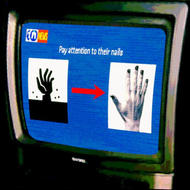
No, I’m not a Human Unblocked

Piggy: Escape From Pig

Late Night Walk


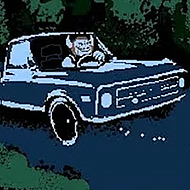

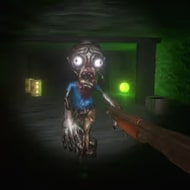
Late Night Walk is an atmospheric experience built on tension, sound, and solitude. You play as a lone traveler walking home after dark, navigating empty streets that feel increasingly alive. Every flickering light, distant noise, or shifting shadow builds suspense. What starts as an ordinary walk soon turns into a quiet test of nerves and observation. The world changes subtly — and by the time you notice, you’re already being followed.
The gameplay seems simple: move forward, observe, and make choices. But Late Night Walk uses perspective and timing to generate fear without direct confrontation. The player’s slow pace and limited visibility make each step deliberate. The key to survival lies in paying attention — to small movements in the distance, to irregular sounds, to the way the air seems to change as you advance.
Sound plays the central role in Late Night Walk. The faint rustle of leaves, the hum of power lines, and the echo of footsteps combine to create a living environment. Sometimes you’ll hear footsteps that aren’t yours. Other times, the silence will stretch too long. The audio design heightens your sensitivity to every detail, turning routine sounds into sources of dread.
Late Night Walk is less about visible danger and more about emotional endurance. It explores the primal fear of being alone, of sensing presence without proof. The lack of enemies makes the player question what’s real and what’s imagined. Each run feels different, because the fear lives not in what you see — but what you anticipate.
Late Night Walk is a masterclass in atmospheric horror, showing that silence, darkness, and imagination can create more fear than any visible threat. It’s a journey into unease — a game where every step forward feels like a choice you might regret.