Weekly Picks

No, I’m not a Human 2

Pikabuu: STOP

SCP-096 Modest

Two Nights At Jumpscare
Featured Games
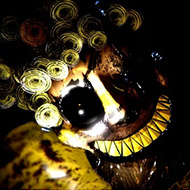
Clown is Hungry
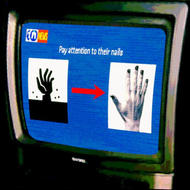
No, I’m not a Human Unblocked
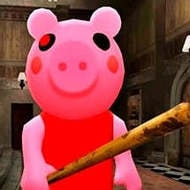
Piggy: Escape From Pig

Late Night Walk


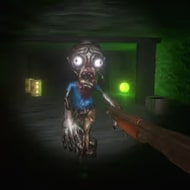
Pikabuu: STOP transforms a playful character into an unpredictable psychological puzzle. The premise is simple: you’re trapped in a room with Pikabuu, who reacts to your every movement. The challenge? Stay still when needed, move when it’s safe, and figure out how to escape. Each wrong move provokes an immediate response, making observation and timing your most important skills. What begins as a lighthearted encounter quickly turns unsettling.
The central mechanic revolves around movement detection. Pikabuu responds to sound and motion, forcing players to study its behavior patterns. Sudden noises, blinking lights, or a misplaced step can trigger a chase. The tension builds from simple interactions—turning a handle, checking a door, or looking around—because every action risks attracting attention. The result is a suspenseful experience built on rhythm and restraint.
Pikabuu: STOP thrives on unpredictability. No two encounters play out exactly the same. The game’s AI learns from your behavior, changing tempo and tactics with each attempt. This unpredictability keeps tension high, demanding adaptability and fast learning. As you progress, you must rely on small clues—breathing patterns, footsteps, or glints of light—to anticipate danger before it strikes.
While Pikabuu: STOP offers tools and hints for survival, true control is elusive. The fear of triggering Pikabuu’s response turns every decision into a gamble. The balance between curiosity and caution defines the experience, creating moments of both relief and dread. The design’s minimalism intensifies focus, making even a small movement feel monumental.
Pikabuu: STOP combines strategy and tension in a tight, unnerving loop. Its simplicity conceals depth, turning silence, timing, and instinct into tools for survival—and making every second of movement feel like a decision between safety and disaster.