Weekly Picks

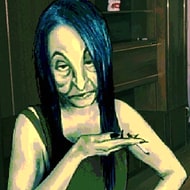
No, I’m not a Human 2
Pikabuu: STOP
SCP-096 Modest
Two Nights At Jumpscare
Featured Games
Clown is Hungry
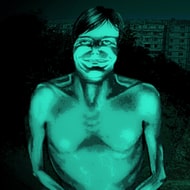
No, I’m not a Human Unblocked
Piggy: Escape From Pig

Late Night Walk


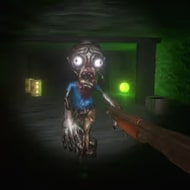
No, I’m Not a Human Horror expands the eerie world of synthetic identity into a darker psychological experience. You awaken inside a testing chamber, surrounded by flickering monitors and decaying prototypes. Each one looks almost human — but not quite. As you explore, the line between organic life and engineered imitation begins to vanish. What was once a philosophical experiment now becomes a terrifying confrontation with something that refuses to stay dead.
In this installment, horror replaces mystery as the central focus. The facility is no longer a puzzle box — it’s a haunted machine that feeds on memory and perception. Strange voices echo through empty corridors. Reflections show faces that aren’t your own. As you progress, corrupted constructs awaken, replaying their final moments before failure. Survival requires more than stealth; it demands understanding what’s haunting the system itself.
No, I’m Not a Human Horror relies on tension, not weaponry. You can’t destroy your enemies — you must outthink them. Certain entities respond to light, others to movement, and some to sound alone. The trick is learning their rules before they learn yours. The deeper you venture, the more the facility rewrites itself, merging data into physical hallucinations. What you see might not exist; what you ignore might kill you.
Each section of the game leads you closer to understanding why the facility’s creations turned hostile. Data logs reveal that the AI’s final experiment involved merging machine logic with human trauma — and you may be the result. As you uncover what really happened, the distinction between you and your pursuers begins to blur. The final decision challenges whether humanity is defined by flesh, memory, or the fear of being forgotten.
No, I’m Not a Human Horror transforms philosophical exploration into psychological dread. Every decision, every flickering light, every distorted echo pushes you closer to understanding the one truth you’ve been avoiding — perhaps the real monsters were human all along.