Weekly Picks
No, I’m not a Human 2
Pikabuu: STOP
SCP-096 Modest

Two Nights At Jumpscare
Featured Games
Clown is Hungry
No, I’m not a Human Unblocked
Piggy: Escape From Pig

Late Night Walk

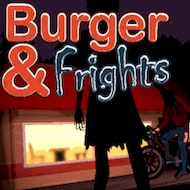
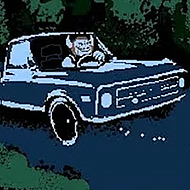

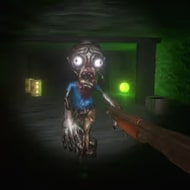
Surze invites players into a distorted city where reality folds and logic dissolves. You play as a lone figure navigating shifting streets, glitched architecture, and surreal entities that blur the boundary between nightmare and simulation. It’s part exploration, part psychological survival—every turn offers discovery, but also the chance to lose your grasp on what’s real. The world of Surze changes depending on how you perceive it.
Surze’s core mechanic revolves around environmental instability. Buildings reshape, streets twist, and the sky flickers between worlds. Players must adapt to spaces that refuse to remain constant. The map itself becomes an adversary, requiring both memory and improvisation. Each glitch may hide a path forward—or something waiting.
Surze focuses on perception over combat. Instead of fighting enemies, players survive by interpreting the world correctly. Misreading signs, ignoring static, or taking the wrong path can lead to disorientation. The design relies on subtle cues—color shifts, background hums, or flickering lights—to convey danger. It’s less about speed and more about awareness.
Beneath its surreal structure, Surze hides a narrative about control and perception. Players piece together fragments of messages and glitch codes to uncover why the city behaves this way. Multiple endings depend on choices, exploration paths, and the level of sanity maintained. The replay value lies in discovering how different reactions alter reality itself.
Surze transforms exploration into psychological disarray. It rewards players who think abstractly, observe carefully, and embrace uncertainty. The experience is both a mystery and a mirror—reflecting not only the city’s distortion but the player’s own struggle to find order in chaos.